Dental Implants in Alameda, CA — Permanent Teeth That Look & Feel Natural
Dental implants in Alameda, CA are the gold standard for replacing missing teeth. At Alameda Smiles, Dr. Steven Chan, D.D.S. places single implants, implant-supported bridges, and full-arch restorations that look, feel, and function like your natural teeth. If you’re tired of loose dentures or gaps in your smile, implants offer a permanent solution.
What Are Dental Implants?
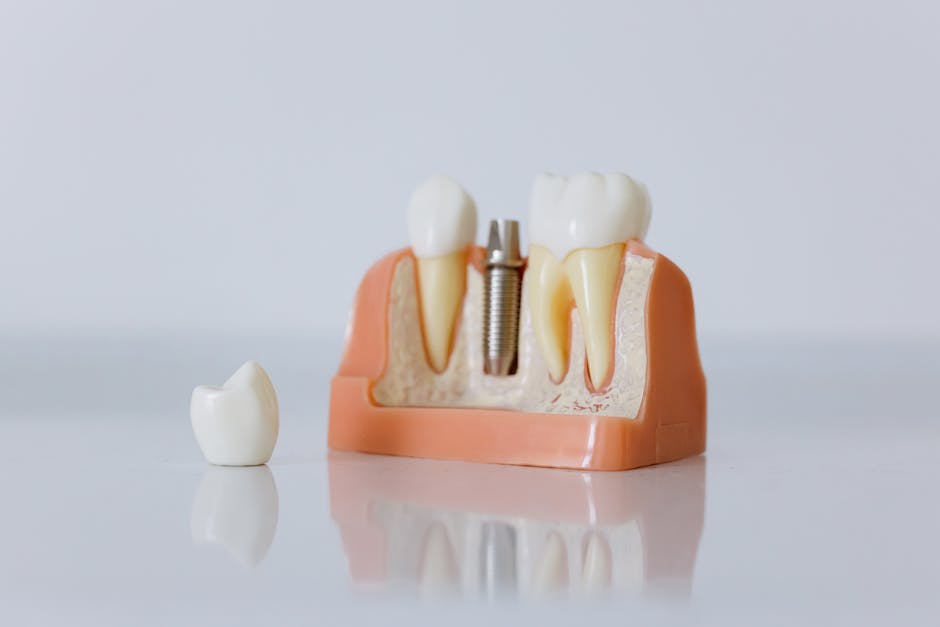
A dental implant is a small titanium post that we surgically place into your jawbone. It acts as an artificial tooth root. Once the implant fuses with the bone through a process called osseointegration, we attach a custom-made crown on top. The result is a replacement tooth that’s anchored securely in your jaw, not glued to neighboring teeth or resting on your gums. Implants can replace a single tooth, support a bridge for multiple missing teeth, or anchor a full set of upper or lower teeth. They’re the closest thing modern dentistry has to growing a new tooth.
Benefits of Dental Implants
- Permanent solution — implants can last 25 years or longer with proper care
- Preserves jawbone — the titanium post stimulates bone growth, preventing the facial collapse that happens with missing teeth
- Looks and feels natural — custom porcelain crowns are matched to your existing teeth in color and shape
- Eat what you want — no food restrictions like with dentures. Bite into apples, chew steak, enjoy corn on the cob
- No adhesives or removal — implants stay in your mouth. Brush and floss them like regular teeth
- Protects adjacent teeth — unlike bridges, implants don’t require grinding down healthy neighboring teeth
- High success rate — dental implants have a 95-98% success rate when placed by an experienced dentist
What to Expect at Alameda Smiles
Your implant journey starts with a thorough consultation. Dr. Chan examines your mouth, takes digital X-rays, and evaluates your bone density to confirm you’re a good candidate. We walk you through every step before anything happens. On implant day, we numb the area completely and place the titanium post into your jawbone. Most patients say it’s less uncomfortable than they expected. Over the next 3 to 6 months, the implant integrates with your bone. During this healing period, we may place a temporary crown so you’re never without a tooth. Once the implant is fully fused, we attach your permanent custom crown. You’ll leave with a tooth that blends right in.
Who Is a Good Candidate?
Most adults with one or more missing teeth are good candidates for dental implants. You’ll need adequate jawbone density to support the post, though bone grafting can help if you’ve experienced bone loss. Healthy gums are important too. We may recommend treating gum disease first. Smokers and patients with uncontrolled diabetes may need extra evaluation. During your consultation, Dr. Chan will let you know exactly where you stand and what we can do.
Why Choose Alameda Smiles for Dental Implants in Alameda?
Dr. Steven Chan has been placing dental implants and restoring smiles in Alameda for over 29 years. He takes the time to plan every case carefully. Our team speaks English, Cantonese, Mandarin, and Japanese, so you can discuss your treatment in the language you’re most comfortable with. We’re a small, neighborhood practice on Santa Clara Ave where you’ll see the same faces every visit. That consistency matters when you’re going through a multi-step procedure like implants.
The Complete Dental Implant Process — Step by Step
Understanding the full implant timeline removes the guesswork and lets you plan with confidence. Here’s exactly how it works at Alameda Smiles with Dr. Chan:
Step 1 — Consultation and imaging. Dr. Chan takes 3D X-rays and evaluates your bone density, gum health, and overall candidacy. We assess exactly where the implant will go and whether you need any preparatory work like bone grafting.
Step 2 — Treatment planning. Using your imaging, Dr. Chan maps the precise implant position, designs your future crown, and creates a timeline specific to your case. You’ll know the cost, the schedule, and the expected outcome before anything starts.
Step 3 — Implant placement. Under local anesthesia, Dr. Chan places the titanium post into your jawbone. The procedure typically takes 1 to 2 hours. Most patients say it’s less uncomfortable than they expected. We may place a temporary crown so you’re never without a tooth in the visible zone.
Step 4 — Healing and osseointegration. Over 3 to 6 months, your jawbone fuses with the titanium post. This biological bonding is what makes implants so strong and permanent. During this period, you’ll come in for brief check-ups to monitor healing.
Step 5 — Abutment placement. Once the implant is fully integrated, Dr. Chan attaches a small connector piece called an abutment. This sits just above your gumline and serves as the anchor for your final crown.
Step 6 — Crown placement. Your custom porcelain crown, matched perfectly to the color and shape of your natural teeth, is secured onto the abutment. You walk out with a tooth that looks, feels, and functions like the real thing.
Total timeline: 6 to 18 months from consultation to finished crown, depending on whether bone grafting is needed.
Am I a Good Candidate for Dental Implants?
The ideal implant candidate has healthy gums, adequate jawbone density, and is in reasonable overall health. Non-smokers tend to heal faster and have higher success rates, though smokers who are willing to quit or reduce can still be candidates. Uncontrolled diabetes and certain blood-thinning medications can complicate healing, so Dr. Chan evaluates your full medical history. Bone loss is the most common concern. If you’ve been missing teeth for a while, your jawbone may have receded. But bone grafting has become routine and effective, allowing many patients who were previously told “you’re not a candidate” to successfully receive implants. Technology has advanced significantly. If you were turned down for implants years ago, it’s worth getting a fresh evaluation. Dr. Chan has placed implants for patients who had been told no elsewhere, using modern techniques that weren’t available even five years ago. Call (510) 523-5121 for an honest assessment.
Dental Implants vs. Dentures vs. Bridges
Three options exist for replacing missing teeth. Here’s how they compare:
Dental implants are permanent. The titanium post preserves your jawbone by stimulating bone growth, just like a natural tooth root. They look and feel completely natural, require no adhesives, and can last 25 years or longer with proper care. You brush and floss them like regular teeth. The upfront cost is the highest of the three options, but the lifetime value is unmatched.
Dentures are removable and the most affordable option initially. However, they sit on your gums and don’t stimulate bone growth, so your jawbone continues to shrink over time. This causes facial collapse, that sunken look around the mouth. Dentures require adhesive, can slip during eating or speaking, and need to be relined or replaced every 5 to 7 years as your jaw changes shape.
Bridges are fixed in place, which is an advantage over dentures. But they require grinding down the two healthy teeth on either side of the gap to serve as anchors. Those healthy teeth are permanently altered. Bridges typically last 10 to 15 years before needing replacement.
For most patients, implants are the strongest long-term investment. They cost more upfront but save money over a lifetime. A bridge replaced every 12 years over a 30-year span costs more than a single implant that lasts the whole time. Dr. Chan walks every patient through these options honestly.
How Much Do Dental Implants Cost in Alameda?
Here’s a straightforward breakdown of implant costs at Alameda Smiles. A single tooth implant, including the implant post, abutment, and porcelain crown, typically runs $2,500 to $5,000 total. Multiple implants may offer volume savings depending on the case. An implant-supported bridge, which replaces several adjacent teeth using two implants instead of individual posts, ranges from $3,500 to $6,000. For patients missing all teeth on an arch, All-on-4 full-arch implant restorations range from $15,000 to $30,000. Most dental insurance covers part of the restoration (the crown portion), though implant placement itself is rarely covered. We work with CareCredit and offer in-house payment plans to make implants accessible. The long-term math favors implants: a dental bridge replaced every 10 to 15 years costs more over your lifetime than an implant placed once. Dr. Chan discusses all costs transparently during your consultation.
Dental Implants at Alameda Smiles — Why In-Office vs. Referral
Many general dentists don’t place implants themselves. They refer you to an oral surgeon for the placement, then you come back to the general dentist for the crown. That means two different offices, two different billing systems, two different teams who may not communicate perfectly. Coordination gaps happen. Notes get lost. You repeat your medical history twice. At Alameda Smiles, Dr. Chan handles the complete implant journey in-house, from the initial consultation and 3D imaging through surgical placement to the final porcelain crown. One dentist. One office. One relationship. You’re never handed off to a stranger at a critical moment. This matters even more for patients who speak Cantonese, Mandarin, or Japanese. With Dr. Chan managing every stage, there’s no language barrier at any point in your care. No explaining your situation to a new provider in a language that doesn’t come naturally. Call (510) 523-5121 to schedule your implant consultation.
Ready to get started? Call (510) 523-5121 or visit us at 2245 Santa Clara Ave, Suite 1, Alameda, CA 94501. We’re open Tue–Fri, 9am–5pm.
Frequently Asked Questions
How long do dental implants last?
With proper care, dental implants can last 25 years or more. Many patients keep their implants for life. The key is good oral hygiene, regular checkups at Alameda Smiles, and avoiding habits like chewing ice or grinding your teeth without a night guard.
Are dental implants painful?
Most patients are surprised by how manageable the discomfort is. We use local anesthesia during the procedure, so you won’t feel pain while the implant is placed. Afterward, mild soreness and swelling are normal for a few days. Over-the-counter pain relievers handle it for most people.
Does insurance cover dental implants?
Coverage varies by plan. Some dental insurance policies cover a portion of implant treatment, while others don’t. We’ll help you understand your benefits and can discuss payment options to make implants accessible. Many patients find implants are a better long-term investment than repeatedly replacing dentures or bridges.
How many visits does it take to get a dental implant?
The typical implant case requires 3 to 4 visits spread over several months. The first visit is your consultation and planning. The second is implant placement surgery. After 3 to 6 months of healing, you return for your permanent crown. Some cases need an additional visit for bone grafting or a temporary restoration.